

Read our complete freshwater pearl necklace guide to discover sizing, luster tips, and styling advice for finding the perfect cultured strand for your collection.
Table of Contents
- Evaluating Luster and Surface Quality
- Selecting the Perfect Strand Length
- Exploring Shapes and Natural Colors
- Styling Your Jewelry for Any Occasion
- Frequently Asked Questions
- Comparing Strand Configurations
- Practical Tips for Care and Styling
- Key Takeaways
Article Snapshot
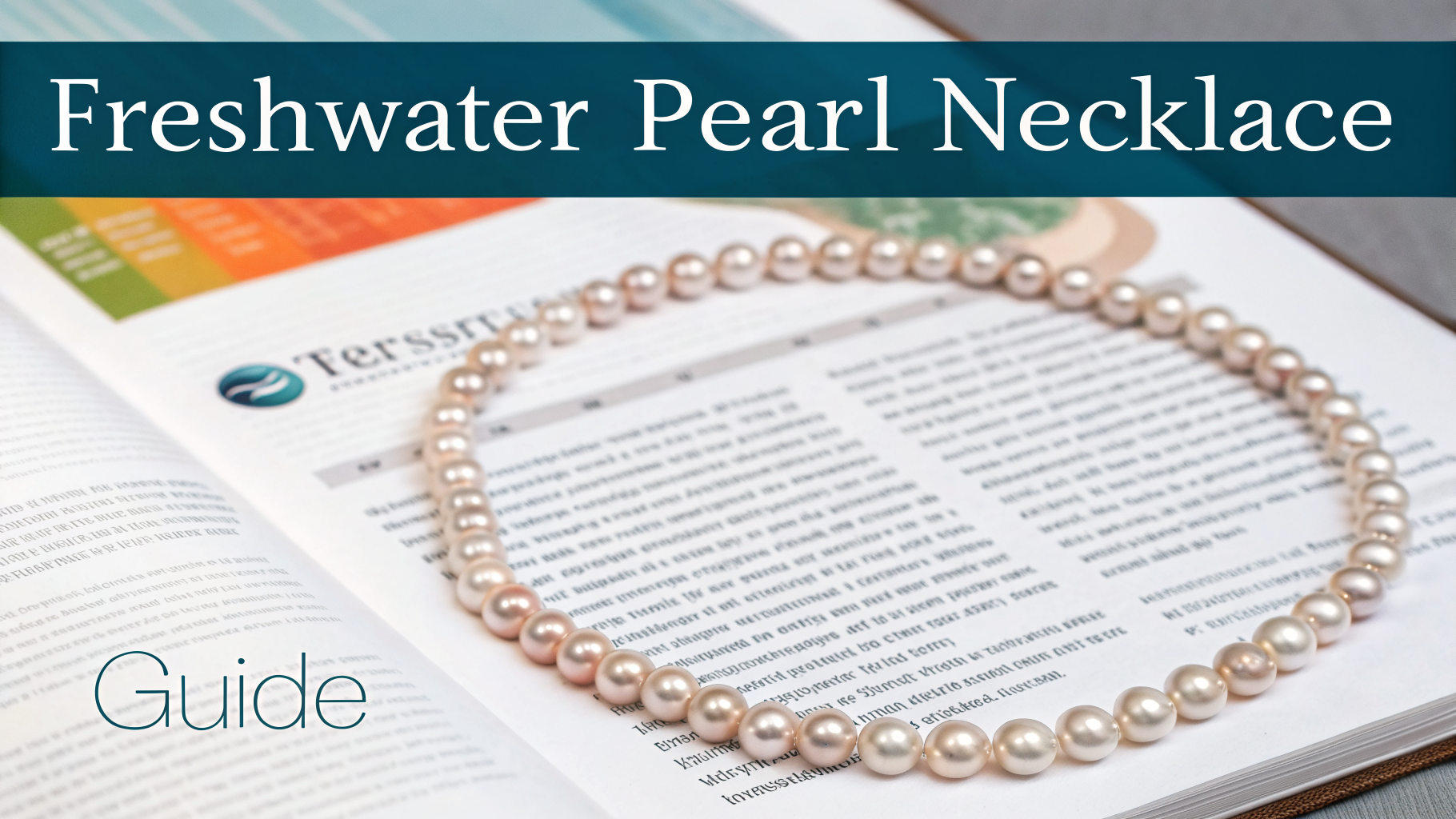
A freshwater pearl necklace guide is a comprehensive resource detailing the selection, grading, and styling of cultured mollusk gems. This overview covers essential value factors like luster and nacre quality, helping buyers choose the ideal strand length and shape for everyday elegance and formal occasions.
By the Numbers
- 16 inches: The most versatile length for everyday wear, sitting snugly at the base of the neck (Alya Pearl, 2025)[1].
- 7.5–8.0 millimeters: The reigning standard size for everyday strands, offering a balanced and classic aesthetic (Pearl Paradise, 2025)[2].
- 7 value factors: The distinct traits used to evaluate quality, including size, shape, color, luster, surface quality, nacre quality, and matching (Pearl Paradise, 2025)[2].
- 5 color families: The common natural body colors available, encompassing white, rose, lavender, cream, and peach (Little Girls Pearls, 2025)[3].
Introduction
Finding the perfect jewelry piece requires understanding the unique characteristics of cultured gems. This freshwater pearl necklace guide provides essential insights into selecting the right strand for your personal style. Unlike saltwater varieties, these gems are cultivated in non-ocean environments like ponds and lakes, offering incredible variety in natural colors and shapes. Whether you are looking for a classic white strand or a unique baroque design, knowing how to evaluate luster, surface quality, and matching is crucial. We will explore the defining value factors that separate exceptional jewelry from ordinary accessories. By the end of this article, you will know exactly how to evaluate a strand and confidently buy freshwater pearl necklaces that suit your wardrobe. Let us dive into the fascinating world of mollusk cultivation and discover what makes these iridescent treasures so special.
Evaluating Luster and Surface Quality
Every exceptional strand begins with a careful assessment of its physical traits. Gemologists evaluate cultured gems using seven distinct value factors: size, shape, color, luster, surface quality, nacre quality, and matching (Pearl Paradise, 2025)[2]. Among these, luster is arguably the most critical indicator of beauty and value. Luster refers to the sharpness and brightness of the light reflected from the surface. As one certified graduate gemologist explains, “Luster is, in common words, how shiny the pearl is. If you can see a clean, crisp reflection of your fingernail in the surface…” (GIA, 2025)[4].
When examining a potential purchase, always view the gems in natural daylight. Surface quality is the next major consideration. Blemishes, spots, or uneven textures can diminish the overall appeal, though minor imperfections are natural and often prove the authenticity of the piece. The thickness of the nacre layers directly impacts both the luster and the long-term durability of the jewelry.
The Reality of Grading Systems
It is important to understand that the jewelry industry lacks a universal grading standard. Jeremy Shepherd, Founder and CEO of Pearl Paradise, notes that “Standardized pearl grading is a myth. There is no defined, recognized system or standard for grading pearls, so when you buy…” (Pearl Paradise, 2025)[2]. Because of this, purchasing from a reputable seller who provides transparent information about their cultivation and selection process is essential. When you explore options to buy a freshwater pearl necklace, always ask for detailed descriptions of the nacre thickness and matching quality. This ensures you receive a high-quality accessory that will last for generations. This reality is a core focus of our freshwater pearl necklace guide, ensuring you prioritize seller expertise over arbitrary letter grades.
Selecting the Perfect Strand Length
The length of your jewelry dramatically changes how it frames your face and complements your outfit. A 16-inch length is considered the most versatile choice for everyday wear, often sitting snugly at the base of the neck (Alya Pearl, 2025)[1]. This choker-style placement highlights the collarbone and works beautifully with both casual and professional attire. For those who prefer a slightly longer drape, princess-length strands typically measure between 17 and 19 inches, making them the most popular length for everyday wear (Alya Pearl, 2025)[1].
Finding the Ideal Millimeter Size
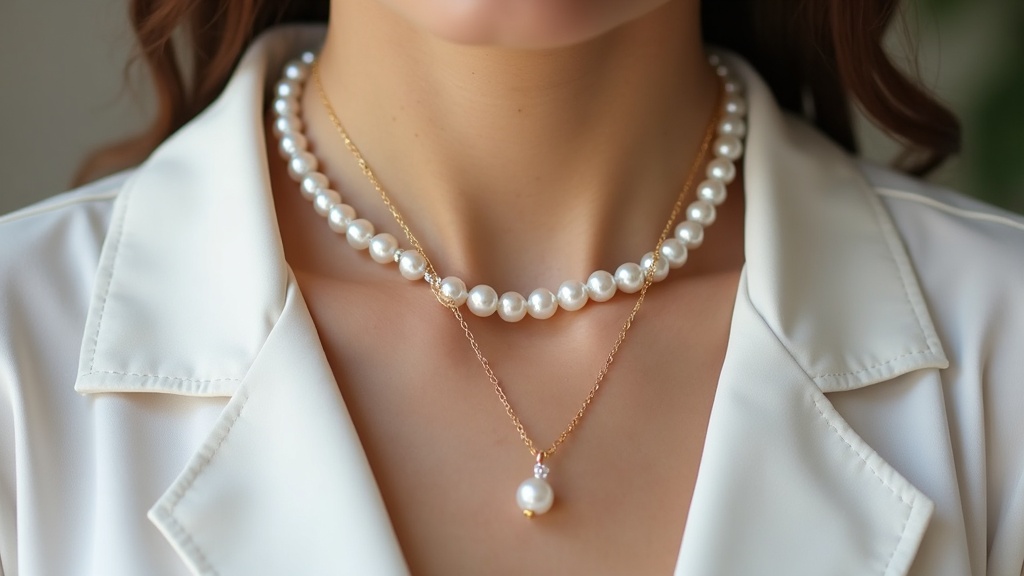
Beyond length, the physical diameter of each gem plays a massive role in the overall aesthetic. The most popular sizes for these strands are in the 7.5–8.0 millimeter range, which are described as the reigning standard for everyday wear (Pearl Paradise, 2025)[2]. This medium size offers a balanced look that is neither too delicate nor overwhelmingly bold. According to gemstone education specialists, “For most people, a 16 to 18‑inch freshwater pearl necklace with medium‑sized pearls is the sweet spot – it sits at the collarbone, layers well…” (Blue Nile, 2025)[5]. If you are building a foundational jewelry collection, starting with this classic dimension is highly recommended. You can always add larger, more dramatic strands later for evening events. Layering a classic 18-inch strand with a delicate gold chain creates a modern, textured look that transitions seamlessly from day to night. Understanding these dimensions is a vital part of any comprehensive freshwater pearl strand guide.
Exploring Shapes and Natural Colors
Unlike their saltwater counterparts, which are typically grown in oysters and tend to be perfectly round, these gems are cultivated in mussels. This biological difference means they are most often baroque in shape, offering unique, asymmetrical silhouettes that appeal to modern designers (Jewelers of America, 2024)[6]. While perfectly round options exist and command a premium, the organic charm of baroque and off-round shapes provides a distinct, artistic flair.
The Palette of Cultivated Gems
The natural color palette is another area where these gems truly shine. Common natural body colors include white, rose, lavender, cream, and peach, giving at least five distinct color families for necklace design (Little Girls Pearls, 2025)[3]. White and cream remain the most traditional choices, often associated with classic elegance and bridal jewelry. However, lavender and peach offer a softer, more contemporary aesthetic that pairs beautifully with spring and summer wardrobes. The Jewelers of America team notes that “Freshwater pearls are the workhorses of the pearl world. They offer incredible variety in shapes and natural colors, which makes them ideal…” (Jewelers of America, 2024)[6]. When selecting a hue, consider your skin undertone. Rose and peach tones flatter warm undertones, while crisp white and cool lavender complement cooler complexions. For more styling inspiration, check out our detailed article on choosing a freshwater pearl necklace. This diverse range of colors makes them an incredibly versatile accessory for any jewelry box. Exploring these variations is a highlight of this freshwater pearl jewelry guide, helping you find a hue that perfectly matches your personal style.
Styling Your Jewelry for Any Occasion
A well-chosen strand is a transformative accessory that elevates any outfit. For professional environments, a simple 16-inch white or cream strand adds a touch of refined sophistication to a blazer or crisp button-down shirt. The clean lines and subtle iridescence draw attention to the face without overpowering your overall look. For casual weekend wear, consider mixing different lengths and colors. Layering a peach strand with a longer lavender piece creates a relaxed, bohemian vibe that works perfectly with linen tops and sundresses.
Personalizing with Custom Pendants
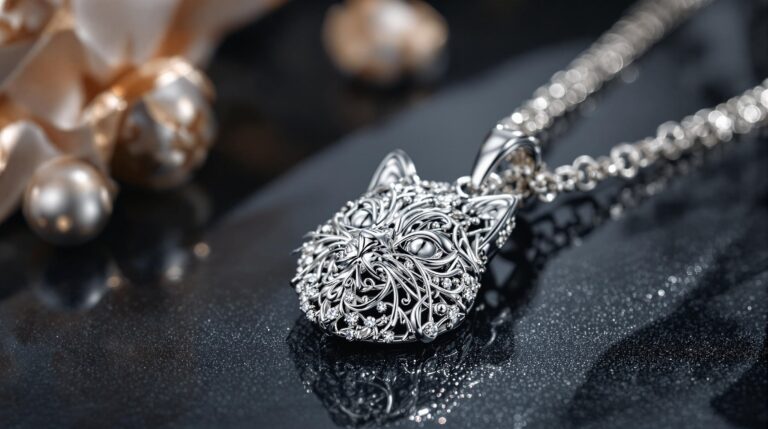
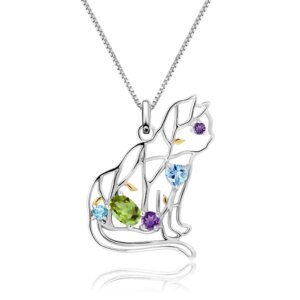
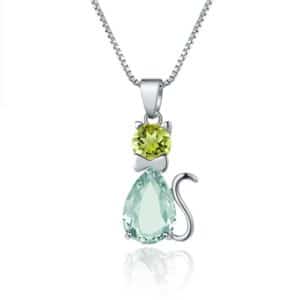
While traditional strands are beautiful, many jewelry lovers seek ways to personalize their accessories. Adding a custom pendant is an excellent way to infuse your piece with personal meaning. For instance, animal lovers might explore unique options like custom cat silhouette necklaces to combine classic elegance with a heartfelt tribute to their furry friends. When attaching a pendant, ensure the bail is large enough to slide smoothly over the gems without scratching the nacre. You can also mix textures by combining a smooth, round strand with a rugged baroque piece. This contrast highlights the organic beauty of the materials. Ultimately, the way you style your jewelry should reflect your individual personality. Whether you prefer a minimalist approach or a bold, layered statement, these versatile gems adapt effortlessly to your vision. This flexibility is a key reason why they remain a staple in modern fashion.
Frequently Asked Questions About Freshwater Pearl Necklaces
How do I clean my freshwater pearl necklace at home?
Cleaning your freshwater pearls requires a gentle touch to protect the delicate nacre layers. Never use ultrasonic cleaners, harsh chemicals, or abrasive brushes, as these can permanently damage the surface. Instead, wipe the gems with a soft, lint-free cloth after each wear to remove natural skin oils and perspiration. If they need a deeper clean, dampen the cloth slightly with plain water and gently wipe each gem. Allow the strand to air dry completely on a flat surface before storing it. Avoid hanging the jewelry while wet, as the moisture can weaken the silk thread over time. Proper maintenance ensures your accessory retains its brilliant luster for years.
What is the difference between freshwater and saltwater pearls?
The primary difference lies in their cultivation environment and the mollusk used. Freshwater pearls are grown in non-ocean environments like ponds, lakes, and rivers using mussels, whereas saltwater varieties are cultivated in the sea using oysters. Biologically, mussels can produce multiple gems at once, making them more abundant and generally more affordable. Saltwater oysters typically produce only one or two gems, resulting in higher prices. Additionally, saltwater varieties tend to be perfectly round, while freshwater pearls are more frequently baroque or off-round. Both types offer beautiful luster, but freshwater pearls provide greater variety in natural colors and shapes at accessible price points.
Can I wear my freshwater pearl necklace every day?
Yes, freshwater pearls are highly durable and designed for regular wear, provided you take basic precautions. The nacre layers are tough, but they can be scratched by harder gemstones or metals. Always put your jewelry on after applying makeup, perfume, and hairspray to prevent chemical damage to the surface. When exercising or doing household chores, it is best to remove the strand to avoid exposure to harsh cleaners or excessive sweat. Storing the piece in a soft pouch away from other jewelry will prevent accidental scratches. With proper care, your strand will easily withstand the demands of daily use while maintaining its beautiful shine.
How should I store my pearl necklace when not in use?
Proper storage is essential for preserving the beauty and structural integrity of your jewelry. Always store the strand flat in a soft, breathable fabric pouch or a lined jewelry box. Avoid hanging it for long periods, as gravity can stretch the silk or nylon thread, leading to gaps between the gems. Keep the pouch away from direct sunlight and extreme heat, which can dry out the nacre and cause discoloration. It is also helpful to place a slightly damp cloth nearby in the storage area during dry winter months to maintain ambient humidity. This simple practice prevents the gems from becoming brittle and cracking.
Comparing Strand Configurations
Selecting the right configuration depends on your personal style and intended use. Below is a comparison of the most popular strand configurations to help you decide.
| Configuration | Length | Best For |
|---|---|---|
| Choker | 16 inches | Professional wear and highlighting the collarbone |
| Princess | 17–19 inches | Everyday versatility and layering with pendants |
| Matinee | 20–24 inches | Formal events and pairing with high necklines |
Each option offers distinct advantages. A choker provides a classic, vintage silhouette, while a princess length offers the most flexibility for adding custom charms. The matinee style delivers a dramatic, elegant drape perfect for evening gowns. Evaluating these options is a crucial step in any thorough freshwater pearl necklace guide.
Practical Tips for Care and Styling
To get the most out of your purchase, follow these expert recommendations for styling and maintenance. Modern jewelry trends heavily favor layered looks and personalized charms, allowing you to express your unique aesthetic.
- Knotting: Ensure your strand is individually knotted between each gem. This prevents them from rubbing together and keeps the rest of the strand intact if the thread breaks.
- Restringing: Have the jewelry professionally restrung every one to two years if you wear it frequently. This prevents unexpected thread failure and maintains the proper drape.
- Mixing Textures: Do not be afraid to mix smooth, round gems with rugged baroque shapes in a single layered look for a contemporary, fashion-forward statement.
When shopping, always prioritize luster over perfect roundness. A highly luminous baroque gem will always look more luxurious than a dull, perfectly round one. By focusing on these practical details, you ensure your investment remains beautiful and structurally sound for decades. Following these best practices guarantees that your accessory remains a cherished part of your wardrobe.
Key Takeaways
Selecting the perfect strand involves balancing luster, size, and length to match your personal style. This freshwater pearl necklace guide has highlighted the importance of evaluating surface quality, understanding natural color variations, and choosing the right configuration for your wardrobe. Whether you prefer a classic 16-inch choker or a customized piece featuring a unique pendant, these versatile gems offer endless possibilities. To explore more beautiful jewelry options and find the perfect addition to your collection, visit our handcrafted jewelry collections today.
Useful Resources
- Freshwater Pearl Necklace Guide: Length, Styles & Meaning. Alya Pearl.
https://alyapearl.com/blogs/the-pearl-guide-1/freshwater-pearl-necklace-guide-length-styles-meaning - Pearl Necklaces: The Expert How‑to Guide on Selection. Pearl Paradise.
https://www.pearlparadise.com/pages/pearl-necklaces - Freshwater Pearls: All You Need to Know. Little Girls Pearls.
https://littlegirlspearls.com/blogs/articles/freshwater-pearls-all-you-need-to-know - PEARLS 101 | A Guide to Color, Luster & More. GIA.
https://www.youtube.com/watch?v=SMfCuLhGE_s - Pearl Gemstone Guide & Buying Tips. Blue Nile.
https://www.bluenile.com/education/pearl - Pearl Buying Guide. Jewelers of America.
https://www.jewelers.org/buying-jewelry/jewelry-buying-guides/pearl-buying-guide
For more about Cat lover gift guide, see Cat Lover Gift Guide.