Japanese Ornamental Maple: Complete Care and Growing Guide




Learn how to grow and care for Japanese ornamental maple trees, including proper planting, soil preparation, pruning, and maintenance tips for vibrant foliage year-round.
Table of Contents
- What Makes Japanese Ornamental Maple Special
- Planting and Soil Requirements
- Watering and Sunlight Needs
- Pruning and Long-Term Maintenance
- Frequently Asked Questions
- Comparison with Other Ornamental Trees
- Practical Tips for Success
The Japanese ornamental maple, scientifically known as Acer palmatum, is one of the most popular ornamental trees cultivated worldwide, known for its striking red foliage (Clark University Hadwen Arboretum, 2021)[3]. This elegant tree brings a sense of tranquility and vibrant color to any garden, making it a favorite among homeowners and landscapers alike. In this guide, you will learn everything you need to know about planting, caring for, and maintaining these beautiful trees.
What Makes Japanese Ornamental Maple Special
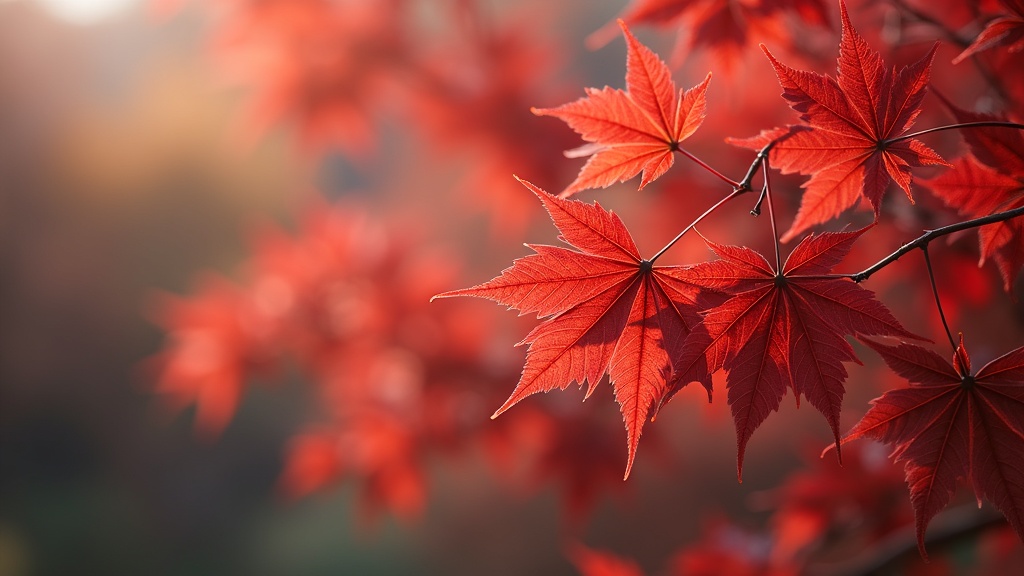
The Japanese ornamental maple stands out for its delicate, lacy leaves and brilliant seasonal color. In spring, new growth emerges in shades of bright red, deepening to burgundy in summer, and then turning fiery orange or scarlet in autumn. This tree is not just about looks; it is also remarkably long-lived. R.J. Bogren, a Horticulture Specialist at the LSU AgCenter, notes, “Japanese maples are very slow growing at about 1 to 2 feet per year, but they can live for up to 100 years, so they are a long-lived tree.”[1] The leaves contain at least 15 percent polyphenols, including anthocyanins and lutein, which contribute to their antioxidant activity (Maple Laboratory, 2016)[4]. This combination of beauty and resilience makes it a valuable addition to any landscape.
Planting and Soil Requirements
Proper planting is the foundation for a healthy Japanese ornamental maple. According to Emma Erler, a Landscape and Greenhouse Field Specialist at UNH Extension, “Japanese maples grow best when planted in well-drained, acidic soil that is high in organic matter.”[2] Before planting, test your soil pH and amend it with peat moss or compost if needed to achieve a slightly acidic range. Choose a location that offers protection from harsh winds and intense afternoon sun. The Arkansas Cooperative Extension Service advises that “Japanese maples are understory trees which would do best with some protection from the hottest afternoon sun.”[5] Dig a hole twice as wide as the root ball but no deeper, place the tree, and backfill with native soil mixed with organic matter. Water thoroughly after planting.
Watering and Sunlight Needs
Consistent moisture is critical, especially during the first few years after planting. Water deeply once a week, more often during dry spells. Erler recommends applying 2-3 inches of organic mulch around the base to “conserve soil moisture, keep roots cool, and reduce weed competition.”[2] For sunlight, morning sun with afternoon shade is ideal. Erler explains, “Ideally, Japanese maples should be placed in a spot with dappled shade.”[2] Too much direct afternoon sun can cause leaf scorch, while too little light reduces the intensity of the red foliage color. The LSU AgCenter notes that foliage color is enhanced by light exposure, with more vibrant colors in sites that receive slightly more morning sun.[1]
Pruning and Long-Term Maintenance
Once established, the Japanese ornamental maple is considered low-maintenance, requiring only occasional structural pruning (UNH Extension, 2019)[2]. Prune in late winter or early spring while the tree is dormant. Remove dead, damaged, or crossing branches to maintain an open, airy canopy. Avoid heavy pruning, as this can stress the tree. Fertilize sparingly; a light application of a balanced, slow-release fertilizer in early spring is usually sufficient if your soil is rich in organic matter. For more ideas on how to complement your garden with other ornamental elements, check out our jewelry store maple ridge collection for nature-inspired designs.
Frequently Asked Questions
How fast does a Japanese ornamental maple grow?
Japanese ornamental maples are slow-growing trees, typically adding about 1 to 2 feet of height per year under typical garden conditions (LSU AgCenter, 2020)[1]. While they take time to reach their full size, their longevity – up to 100 years – makes them a worthwhile investment for any landscape. Patience is key, as the tree’s beauty and structure improve with age.
What type of soil is best for a Japanese ornamental maple?
These trees thrive in well-drained, acidic soil that is high in organic matter (UNH Extension, 2019)[2]. If your soil is heavy clay or alkaline, amend it with peat moss, compost, or pine bark to improve drainage and acidity. A soil test before planting can help you determine the necessary adjustments for optimal growth.
How much sun does a Japanese ornamental maple need?
A spot with dappled shade is ideal (UNH Extension, 2019)[2]. Morning sun with protection from the hottest afternoon sun helps prevent leaf scorch while still allowing the foliage to develop its vibrant red color (Arkansas Cooperative Extension Service, 2017)[5]. Too much shade will result in greener, less colorful leaves.
Do I need to prune my Japanese ornamental maple every year?
Once established, these trees are low-maintenance and only require occasional structural pruning (UNH Extension, 2019)[2]. Focus on removing dead, damaged, or crossing branches during late winter dormancy. Avoid heavy annual pruning, as it can stress the tree and detract from its natural, graceful form.
Comparison with Other Ornamental Trees
When choosing an ornamental tree for your garden, it helps to compare the Japanese ornamental maple with other popular options. The table below highlights key differences in growth rate, lifespan, and care requirements based on available data.
| Feature | Japanese Ornamental Maple | Dogwood | Cherry Blossom |
|---|---|---|---|
| Annual Growth Rate | 1-2 feet[1] | 1-2 feet | 2-3 feet |
| Potential Lifespan | Up to 100 years[1] | 20-40 years | 15-25 years |
| Sunlight Preference | Dappled shade / morning sun[2] | Partial shade | Full sun |
| Maintenance Level | Low once established[2] | Moderate | Moderate |
Practical Tips for Success
To ensure your Japanese ornamental maple thrives, follow these actionable tips based on expert advice from the LSU AgCenter and UNH Extension. First, always plant in well-drained, acidic soil enriched with organic matter. Second, apply a 2-3 inch layer of organic mulch around the root zone to conserve moisture and keep roots cool during hot summer periods[2]. Third, water deeply once a week, increasing frequency during dry spells. Fourth, protect your tree from harsh afternoon sun by positioning it in a spot with dappled shade or morning sun only[5]. Finally, prune sparingly in late winter to remove only dead or crossing branches. For stylish accessories that complement your garden aesthetic, browse our chain necklace real silver collection.
For more about Japanese ornamental maple, see get expert advice on japanese ornamental maple.
Final Thoughts on Japanese Ornamental Maple
The Japanese ornamental maple is a stunning, long-lived tree that rewards patient gardeners with decades of vibrant color and elegant form. By providing the right soil, light, and care, you can enjoy its beauty for up to 100 years. Whether you are a seasoned gardener or a beginner, this tree is a worthwhile addition to any landscape. For more inspiration on creating a beautiful outdoor space, explore our jewelry store maple ridge collection for nature-inspired designs.
Useful Resources
- Japanese maples can create an area of tranquility. LSU AgCenter.
https://www.lsuagcenter.com/profiles/rbogren/articles/page1608309215566 - How should I plant and care for a Japanese maple? UNH Extension.
https://extension.unh.edu/blog/2019/08/how-should-i-plant-care-japanese-maple - Japanese Maple | Hadwen Arboretum. Clark University.
https://www.clarku.edu/hadwen-arboretum/trees/japanese-maple/ - Research Findings. Maple Laboratory.
https://www.maplelaboratory.com/research-findings.html - Japanese Maple – Arkansas Cooperative Extension Service. University of Arkansas System Division of Agriculture.
https://www.uaex.uada.edu/yard-garden/in-the-garden/reference-desk/trees/japanese-maple.aspx