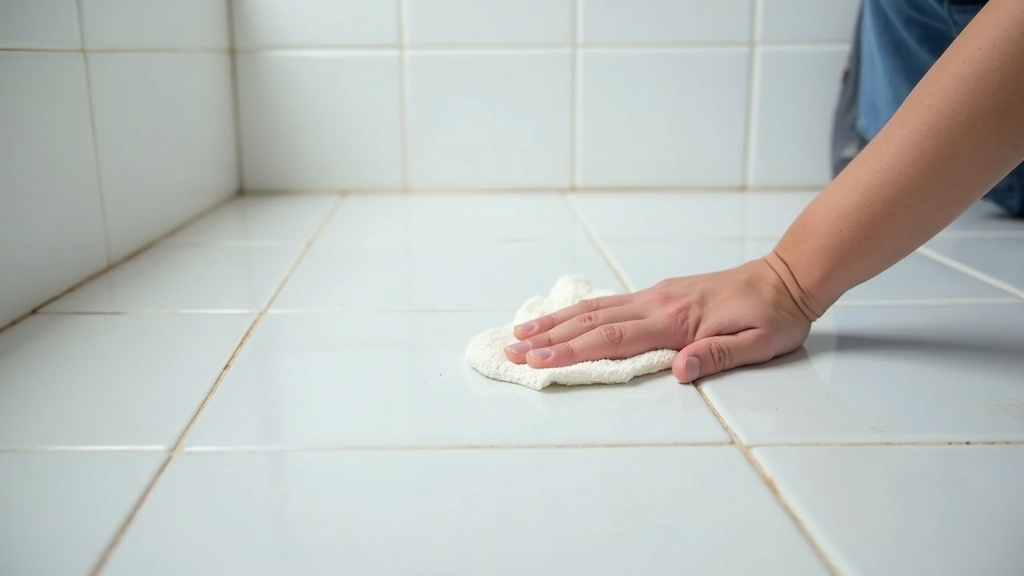
Tile Grout Cleaning Methods and Maintenance








Discover effective tile grout cleaning methods to restore floors. Learn about DIY pastes, sealing techniques, and proper maintenance for lasting results.
Table of Contents
- The Science of Porous Surfaces
- DIY Solutions vs Commercial Cleaners
- The Importance of Sealing and Maintenance
- Step-by-Step Deep Cleaning Process
- What People Are Asking
- Comparing Cleaning Methods
- Practical Tips for Maintenance
Article Snapshot
Tile grout cleaning is the process of removing dirt, mold, and stains from the porous cementitious lines between tiles. This routine restores aesthetic appeal and prevents structural degradation. Regular maintenance, combined with proper sealing, ensures long-lasting hygiene and visual brightness in residential spaces.
By the Numbers
- Professionals recommend resealing high-traffic areas every 6-12 months (Apartment Therapy, 2025)[1].
- A 1 to 1 ratio of baking soda to water effectively removes visible staining in controlled tests (Apartment Therapy, 2025)[1].
- Allowing a cleaning solution to dwell for 15 minutes before scrubbing achieves deeper soil breakdown (Cleaning How-To, 2024)[2].
- Harsh chemicals like bleach and ammonia are 2 types of caustic products specifically warned against (Apartment Therapy, 2025)[1].
Tile grout cleaning is a vital household chore that often gets delayed until the lines between your ceramic or porcelain tiles turn dark and unsightly. Because grout is inherently porous, it acts like a sponge, absorbing moisture, dirt, and organic matter over time. This absorption leads to stubborn stains and the growth of mold and mildew in damp environments like bathrooms and kitchens. Fortunately, restoring your floors and walls does not always require expensive professional services. By understanding the chemical nature of these porous surfaces, you can tackle dirt buildup effectively using common household ingredients or specialized pH-balanced formulas. This article explores the science behind grout maintenance, compares DIY and commercial solutions, and outlines a step-by-step deep cleaning process to keep your tiled spaces looking pristine.
The Science of Porous Surfaces
The fundamental challenge of cleaning tile grout lies in its physical composition. Grout is typically a mixture of cement, sand, and water, which cures into a highly porous surface. This microscopic network of tiny holes traps soil, oils, and moisture deep within the material, making superficial wiping ineffective. When moisture remains trapped in these crevices, it creates an ideal breeding ground for mold and mildew, which can compromise indoor air quality and cause unsightly black or green discoloration.
To combat this, effective tile grout cleaning requires agents that can penetrate these microscopic pores. Acidic products might seem like a quick fix for dissolving mineral deposits, but they can actually etch and degrade the cementitious matrix over time. As Peter Jakubowski, a professional cleaning business owner, notes, harsh or acidic products can wear away at grout over time, which leaves it more vulnerable to buildup (Apartment Therapy, 2025)[1]. Instead, sticking with gentle, pH-balanced formulas for your regular cleaning routine protects the structural integrity of the lines while still lifting everyday dirt.
Furthermore, the type of tile surrounding the grout dictates the chemical approach. While porcelain and ceramic tiles are highly resistant to most cleaning agents, natural stone tiles like marble or travertine are sensitive to acids. Using the wrong cleaner can dull the stone’s finish while attempting to clean tile grout. Therefore, identifying your tile material is the crucial first step before applying any liquid or paste to the floor.
DIY Solutions vs Commercial Cleaners
When tackling tile grout cleaning, homeowners typically choose between homemade pastes and store-bought chemical sprays. Both approaches have distinct advantages depending on the severity of the staining. DIY solutions are highly favored for their safety and cost-effectiveness. A simple paste made from equal parts baking soda and water creates a mild abrasive that lifts surface stains. For tougher organic stains, mixing hydrogen peroxide with baking soda creates an active, fizzing reaction that helps lift deep-seated dirt (Apartment Therapy, 2025)[1].
Commercial cleaners are formulated with specialized surfactants designed to break down specific types of soil, such as soap scum. These products often require less physical scrubbing but demand strict adherence to dwell times. For instance, commercial mold removers often require a 10-minute dwell time before wiping and rinsing to effectively eliminate organic staining (CLR Brands, 2024)[3]. Because moisture control is vital for preventing fungal growth in these porous lines, reviewing the Environmental Protection Agency guidelines on indoor mold can provide valuable context for maintaining a healthy home environment.
Interestingly, the concept of grout extends far beyond residential bathrooms. In heavy industry, colloidal grout mixing plants for mining and tunneling produce high-density cementitious injections used to stabilize rock formations. While you will not be scrubbing a mining tunnel with a brush, the fundamental chemistry of cement porosity remains a shared thread between industrial engineering and household tile care.
The Importance of Sealing and Maintenance
The most critical step in any long-term tile grout cleaning strategy is the application of a high-quality sealer. Because unsealed cement acts as a magnet for dirt and moisture, applying a penetrating sealer fills the microscopic pores and creates a hydrophobic barrier. This barrier repels liquids and prevents stains from setting into the material. According to Maryal Miller Carter, a home editor at Apartment Therapy, once the surface has been thoroughly cleaned and dried, applying a grout sealer can help repel dirt, moisture, and stains (Apartment Therapy, 2025)[1].
Industry professionals strongly advocate for this protective measure. As one licensed tile installer emphasizes, unsealed grout will be an endless losing battle, and deep cleaning followed by tight sealing is the key to keeping maintenance effort-free (Reddit, 2023)[4]. To maintain this protective layer, experts recommend resealing high-traffic or damp areas every 6 to 12 months (Apartment Therapy, 2025)[1].
Routine maintenance between deep cleans is equally important. Sweeping or vacuuming regularly prevents abrasive grit from being ground into the porous lines during foot traffic. When spot-cleaning is necessary, using a neutral pH cleaner ensures the sealer is not stripped away prematurely. Just as you would carefully polish a delicate silver chain to prevent tarnish and maintain its luster, treating your sealed floors with gentle, consistent care preserves their original beauty and extends the time between intensive scrubbing sessions.
Step-by-Step Deep Cleaning Process
Executing a proper deep clean requires patience and the right technique to ensure the tile grout cleaner works effectively. The process begins with removing loose surface debris. Sweep or vacuum the floor thoroughly to ensure no abrasive particles remain that could scratch the tile surface during the scrubbing phase.
Next, apply your chosen cleaning solution directly to the lines. If you are using a DIY paste or a commercial spray, the dwell time is crucial. A professional cleaner advises letting the solution dwell for about 15 minutes in the line so it has time to break down the soil and permeate into the material (Cleaning How-To, 2024)[2]. This waiting period allows the chemical agents to loosen the bond between the dirt and the porous cement.
After the dwell time, use a stiff-bristled scrubbing brush to agitate the surface. Scrubbing in a circular motion or along the length of the line helps dislodge the loosened soil. Avoid using metal wire brushes, as they can scratch both the grout and the surrounding ceramic or porcelain tiles. Once the scrubbing is complete, wipe away the dirty residue with a damp microfiber cloth or mop.
Finally, rinse the area thoroughly with clean water to remove any leftover cleaning agents that could leave a sticky, dirt-attracting film. Dry the floor with a clean towel to prevent water spots. Maintaining a pristine home environment complements your personal style, much like accessorizing with a pair of vibrant throat chakra earrings that add a bright, clean focal point to your overall aesthetic.
What People Are Asking
How often should I perform tile grout cleaning in my bathroom?
Bathrooms are high-moisture environments, making them prone to mold and mildew growth. For routine upkeep, wiping down shower walls and floors with a squeegee or microfiber cloth after each use prevents soap scum buildup. A more thorough tile grout cleaning session should be done every one to two weeks using a pH-balanced cleaner. If you notice discoloration or a musty odor, a deep clean with a baking soda and hydrogen peroxide paste is recommended. Remember that the frequency of deep scrubbing can be significantly reduced if the lines are properly sealed, as the sealer prevents moisture and organic matter from penetrating the porous cement surface.
Can I use bleach to clean tile grout?
While bleach is a powerful disinfectant that can whiten stained lines, it is generally not recommended for regular use. Highly caustic products like bleach and ammonia can degrade the cementitious matrix over time, weakening the bond between the tile and the grout (Apartment Therapy, 2025)[1]. Furthermore, bleach can fade colored grout and strip away protective sealers, making future maintenance much more difficult. If you must use it for severe mold remediation, dilute it heavily, ensure excellent ventilation, and rinse the area thoroughly with cold water afterward. For routine maintenance, oxygen-based cleaners or hydrogen peroxide are much safer alternatives that do not compromise structural integrity.
Why does my grout still look dirty after scrubbing?
If your floors still appear dingy after a rigorous scrubbing session, the discoloration might be permanent staining or physical degradation rather than surface dirt. Unsealed cement absorbs spills deeply, and some pigments from wine, coffee, or rust can permanently alter the color. Additionally, if the surface has eroded or cracked due to age and harsh chemicals, the shadowing from these physical defects will make the lines look dark. In cases of permanent staining or severe physical wear, the most effective solution is to apply a grout colorant or completely remove and replace the damaged material to restore a uniform appearance.
Is steam cleaning safe for tile grout cleaning?
Steam cleaning is an excellent, chemical-free method for sanitizing and lifting dirt from porous surfaces. The high temperature of the steam effectively kills bacteria and mold spores while loosening grease and soap scum. However, it is crucial to use the correct attachment, such as a narrow grout brush nozzle, to direct the pressure precisely. While steam is safe for most ceramic and porcelain installations, it should be used with caution on natural stone tiles, as the intense heat and moisture can sometimes compromise the stone’s seal or cause thermal shock. Always test a small, inconspicuous area first before treating the entire floor.
Comparing Cleaning Methods
Choosing the right approach for tile grout cleaning depends on the severity of the stains, the type of tile installed, and your preference for chemical versus natural solutions. Each method offers unique benefits and drawbacks regarding cost, effort, and effectiveness. Below is a comparison of the most common approaches used by homeowners and professionals.
| Method | Best For | Pros | Cons |
|---|---|---|---|
| Baking Soda Paste | Light stains, routine maintenance | Non-toxic, inexpensive, safe for all tiles | Requires manual scrubbing, less effective on deep mold |
| Hydrogen Peroxide Mix | Organic stains, mildew | Fizzing action lifts dirt, whitens effectively | Can fade dark-colored grout if left too long |
| Commercial Sprays | Heavy soap scum, hard water | Fast-acting, requires less physical effort | Contains harsh chemicals, requires ventilation |
| Steam Cleaning | Sanitization, chemical-free cleaning | Kills bacteria, no residue left behind | Equipment cost, risk to unsealed natural stone |
Practical Tips for Maintenance
To maximize the results of your tile grout cleaning efforts and extend the time between deep cleans, adopt a few proactive maintenance habits. First, always use a squeegee on shower walls and glass enclosures immediately after bathing. This simple action removes mineral-rich water before it can evaporate and leave behind hard water deposits that anchor themselves into the porous lines.
Second, place high-quality absorbent mats at entryways and in front of sinks to catch dirt and moisture before they reach the tiled floors. When mopping, avoid using excessive water; a damp mop is sufficient, as pooling water will inevitably seep into the unsealed or poorly sealed crevices.
Finally, inspect the sealer annually by dropping a few beads of water onto the surface. If the water absorbs into the cement and causes it to darken, it is time to apply a fresh coat of penetrating sealer. By combining these daily habits with periodic deep cleans, you ensure your tiled spaces remain hygienic, bright, and structurally sound for years to come.
Key Takeaways
Mastering tile grout cleaning requires an understanding of porous materials, the right choice of cleaning agents, and a commitment to regular sealing. By avoiding harsh acids and opting for pH-balanced or DIY solutions, you protect the structural integrity of your floors while effectively banishing dirt and mold. Consistent maintenance and proper sealing transform a chore into a simple upkeep routine. For more tips on maintaining a beautiful, polished home environment and accessorizing your personal space, browse our curated collection of handcrafted artisan jewelry to elevate your everyday style.
Sources & Citations
- I Tried 3 DIY Grout Cleaners – And One of Them Blew Me Away. Apartment Therapy.
https://www.apartmenttherapy.com/best-diy-grout-cleaner-test-36737568 - The Ultimate Guide to DEEP Cleaning Your Grout. Cleaning How-To.
https://www.youtube.com/watch?v=QNKa7ds6mAU - How to Clean Tile Grout on Floors and Showers. CLR Brands.
https://www.clrbrands.com/how-to/videos/clr-mold-mildew-clear/ - How often should I clean grout? Reddit.
https://www.reddit.com/r/Tile/comments/17j8pyk/how_often_should_i_clean_grout/