




Discover the current jewelry trends defining 2026, from vibrant gemstones and layered chains to sustainable materials and personalized pieces that reflect individual style.
Table of Contents
- Vibrant Gemstones and Bold Colors
- Layered and Stacking Jewelry
- Sustainable and Ethical Materials
- The Personalized Touch
- Frequently Asked Questions
- Style Comparison: Classic vs. Modern Trends
- Practical Tips for Adopting 2026 Trends
Current jewelry trends in 2026 emphasize bold, personal expression through vibrant gemstones, layered chains, and sustainable materials. This article explores the key movements, from colored stones to eco-conscious choices, and offers practical advice for updating your collection.
Current Jewelry Trends in Context
- The global jewelry market was valued at $340 billion in 2024 (Statista, 2024)[1]
- 73% of Gen Z luxury consumers say sustainability influences their jewelry purchase decisions (Bain & Company, 2024)[2]
- 62% of consumers globally say personalization makes them more likely to purchase a jewelry piece (Deloitte, 2025)[3]
Vibrant Gemstones and Bold Colors
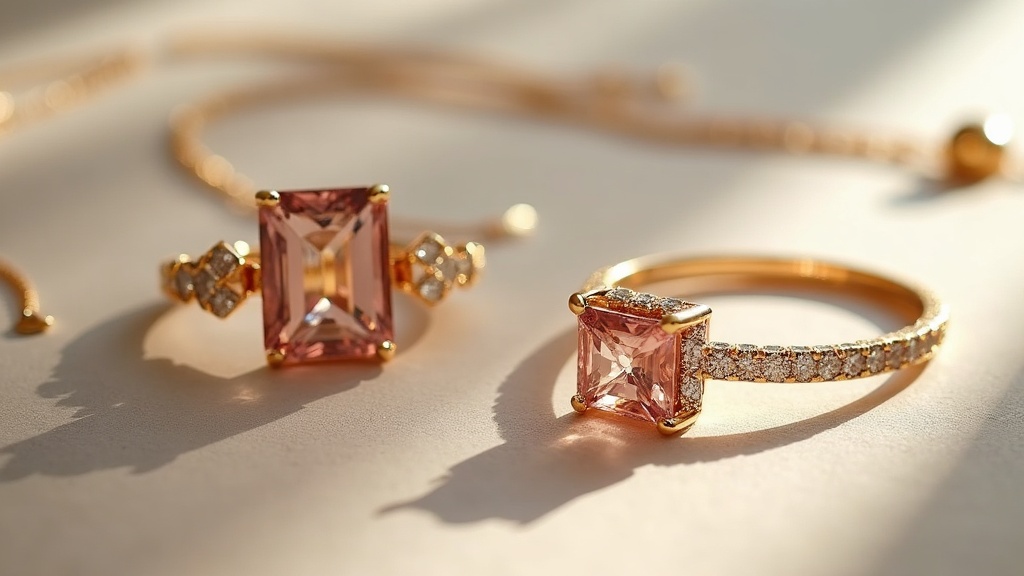
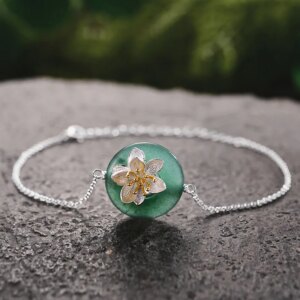
One of the most striking current jewelry trends is the surge in popularity of vibrant gemstones. Rich, saturated colors are taking center stage, moving away from minimalist clear stones toward pieces that make a statement. Beth Gerstein, Co-founder and CEO of Brilliant Earth, notes, “Vibrant gemstones are having their moment in 2026, with rich greens, deep blues, and stunning purples leading the way” (Brilliant Earth, 2026)[4]. Green gemstones, in particular, are a favorite this year, as highlighted by Chen, a senior jewelry specialist at Brilliant Earth (Brilliant Earth, 2026)[4].
This shift towards color reflects a broader desire for individuality and self-expression in fashion. Consumers are choosing pieces that not only complement their outfits but also tell a story or evoke a specific mood. Whether it is a deep emerald pendant or a sapphire-studded ring, colored gemstones offer a versatile way to add personality to any look. For those looking to incorporate this trend, starting with a single statement piece, such as a cocktail ring or a pendant necklace, is an accessible entry point.
The trend also extends to the use of mixed metals and colorful enamel work. Designers are pairing vibrant stones with unexpected metal tones, like rose gold or oxidized silver, to create contrast and depth. This approach allows the gemstone to remain the focal point while the setting adds an extra layer of visual interest. As the market for personalized and unique jewelry grows, the demand for these colorful, eye-catching pieces is expected to continue rising.
Layered and Stacking Jewelry
Layering and stacking remain dominant forces in the current jewelry trends landscape. The Bucherer Fine Jewellery Design Team confirms, “In 2026, layering and stacking jewellery is a trend that’s here to stay” (Bucherer, 2026)[5]. This approach allows wearers to create a customized, collected-over-time look by combining multiple necklaces, rings, or bracelets. The key is to mix different chain lengths, textures, and pendant styles to achieve a balanced yet eclectic aesthetic.
Wardrobe stylist Taylor Greeley observes a shift away from logo-heavy pieces: “Rather than building a jewelry look around instantly recognizable logos, people are leaning into pieces that feel collected over time” (Business Insider, 2026)[6]. This preference for curated, personal collections over branded uniformity aligns perfectly with the layering trend. It encourages shoppers to invest in individual pieces that can be mixed and matched, rather than relying on a single, high-status item.
Practicality is also a driver. Stacking rings allow for easy customization, whether it is adding a new band for a milestone or simply changing the color combination for the day. For necklaces, a common formula is to layer a choker, a mid-length chain, and a longer pendant. This creates a visually interesting frame for the face and neckline. For those new to layering, starting with two pieces of varying lengths is a simple way to experiment without overwhelming the look.
Sustainable and Ethical Materials
Sustainability is no longer a niche concern but a central pillar of modern jewelry design. A significant 73% of Gen Z luxury consumers say sustainability influences their jewelry purchase decisions (Bain & Company, 2024)[2]. This consumer pressure is driving the industry toward more ethical sourcing and production methods. The lab-grown diamond segment, for instance, is expected to grow at an annual rate of 8.5% between 2024 and 2030 (Allied Market Research, 2025)[7].
Beyond diamonds, there is a growing interest in recycled and reclaimed metals. A 2025 McKinsey & Company survey found that 41% of US consumers are more likely to buy jewelry described as “recycled” or “reclaimed” metals (McKinsey & Company, 2025)[8]. This trend reflects a broader shift towards circular economy principles, where materials are reused rather than newly mined. Brands are responding by offering transparency in their supply chains and highlighting the origins of their materials.
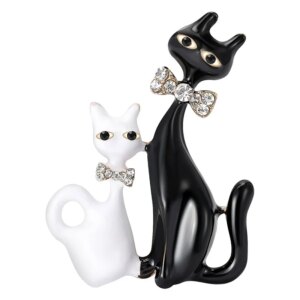
For the consumer, choosing sustainable jewelry often means looking for certifications or brand commitments to ethical practices. It also opens up creative avenues, such as vintage or antique jewelry, which inherently avoids the environmental impact of new production. The emphasis on sustainability is not just a trend but a fundamental change in how the industry operates, with both consumers and brands recognizing the importance of responsible consumption. For a related perspective on conscious gifting, you might explore our collection of cat jewelry for women.
The Personalized Touch
Personalization has become a key driver in the jewelry market, with 62% of consumers globally stating that it makes them more likely to purchase a piece (Deloitte, 2025)[3]. This goes beyond simple engravings to include birthstones, custom settings, and even pieces designed around a specific memory or story. The desire for unique, meaningful items is a powerful counterpoint to mass-produced fashion.
This trend is closely linked to the move away from logo-centric jewelry. Instead of buying a piece to signal status, consumers are buying pieces that signal identity. A necklace with a child’s initials, a ring with a partner’s birthstone, or a bracelet engraved with a significant date all carry a personal weight that no brand logo can replicate. This makes the jewelry not just an accessory, but a keepsake.
The rise of direct-to-consumer brands and online customization tools has made personalization more accessible than ever. Shoppers can now design a ring from scratch or choose from a range of pre-set options for engraving and stone selection. For those looking for a playful and personal touch, our cute jewelry selection offers many customizable options. This approach ensures that the final piece is a true reflection of the wearer’s taste and history, making it a cherished addition to any collection.
Important Questions About Current Jewelry Trends
What are the most popular gemstone colors for 2026?
Rich, saturated hues are leading the way. Deep greens, such as emerald and peridot, are particularly popular. Sapphire blues and amethyst purples are also highly sought after. These colors are being used in everything from statement cocktail rings to delicate pendant necklaces, offering a vibrant alternative to traditional clear diamonds.
How can I start layering my jewelry?
Begin with two or three necklaces of different lengths. A common starting point is a choker (14-16 inches), a mid-length chain (18-20 inches), and a longer pendant (24-30 inches). For rings, start with two simple bands on one finger and add one statement ring on an adjacent finger. The key is to mix textures and metals for a curated, personal look.
Is sustainable jewelry more expensive?
Not necessarily. Lab-grown diamonds, for example, can be 30-40% less expensive than mined diamonds of comparable quality. Recycled metals are often priced similarly to newly mined ones. While some artisan or certified ethical pieces may carry a premium due to craftsmanship and supply chain transparency, many sustainable options are available across a wide range of budgets.
What is the best way to personalize a jewelry piece?
The most common methods are engraving initials, dates, or short messages. Birthstones are another popular option, allowing you to incorporate a personal or family connection through color. Custom design is the most extensive route, where a jeweler creates a piece from scratch based on your ideas and sketches. The best method depends on your budget and the level of uniqueness you desire.
Style Comparison: Classic vs. Modern Trends
Understanding the difference between classic jewelry and the current jewelry trends can help you decide which pieces to invest in. While classic styles offer timelessness, modern trends provide a fresh, contemporary edge. The table below outlines the key contrasts.
| Feature | Classic Style | Modern Trend (2026) |
|---|---|---|
| Primary Stone | White diamonds | Vibrant colored gemstones (green, blue, purple) |
| Metal Preference | Single metal (yellow gold or white gold) | Mixed metals (gold, silver, rose gold combined) |
| Wear Style | Single, standalone pieces (e.g., a solitaire ring) | Layered and stacked pieces (multiple necklaces, rings) |
| Brand Focus | High-status logos and brand names | Personal, collected-over-time aesthetic |
| Material Source | Mined stones and virgin metals | Lab-grown gems and recycled/reclaimed metals |
Practical Tips for Adopting 2026 Trends
Adopting new trends does not require a complete wardrobe overhaul. Start by identifying one or two trends that resonate with your personal style. If you love color, invest in a single vibrant gemstone ring. If you prefer a collected look, begin layering two necklaces you already own before buying new ones.
When shopping for sustainable pieces, look for certifications or clear brand statements about material sourcing. For personalization, consider starting with a simple engraving on a piece you already wear often. Mixing metals is a low-risk way to modernize your look; try pairing a gold chain with a silver pendant. Finally, remember that the best trend is the one that makes you feel confident. Use these ideas as inspiration, not rules.
For those interested in exploring specific styles, a comprehensive jewelry trends buying guide from Brilliant Earth offers further insight into the latest colors and cuts.
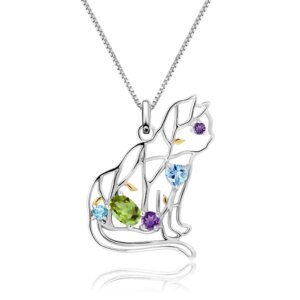
For more about Silver cat jewelry, see get expert advice on silver cat jewelry.
Final Thoughts on Current Jewelry Trends
The current jewelry trends for 2026 are defined by a move towards personal expression, vibrant color, and conscious consumption. From the resurgence of colored gemstones to the enduring appeal of layered chains and sustainable materials, there is a trend for every taste. The common thread is a desire for pieces that are meaningful, unique, and reflective of the wearer’s values. To explore these styles further, browse our curated collection of cute jewelry that captures the spirit of modern design.
Learn More
- Global jewelry market value in 2024. Statista.
https://www.statista.com/statistics/947806/value-of-the-global-jewelry-market/ - Sustainability influence on Gen Z consumers. Bain & Company.
https://www.bain.com/insights/luxury-goods-worldwide-market-study-fall-2024/ - Personalization in jewelry purchases. Deloitte.
https://www2.deloitte.com/global/en/pages/consumer-business/articles/gx-global-powers-of-luxury-goods.html - Vibrant gemstones trend. Brilliant Earth.
https://www.brilliantearth.com/jewelry/buying-guide/trends/ - Layering and stacking jewelry trend. Bucherer.
https://www.bucherer.com/bucherer-world/highlights/jewellery-trends - Shift away from logo-heavy jewelry. Business Insider.
https://www.businessinsider.com/best-and-worst-jewelry-right-now-summer-trends-jewelers-stylists-2026-5 - Lab-grown diamond market growth. Allied Market Research.
https://www.alliedmarketresearch.com/lab-grown-diamonds-market-A14388 - Consumer preference for recycled metals. McKinsey & Company.
https://www.mckinsey.com/industries/retail/our-insights/sustainability-in-jewelry-and-watches


