Ecommerce Site Development: Build a Store That Sells in 2026


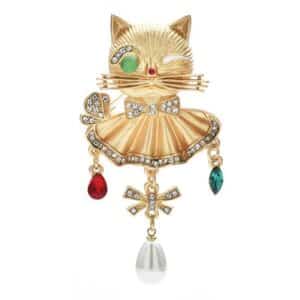

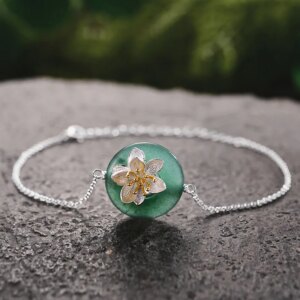
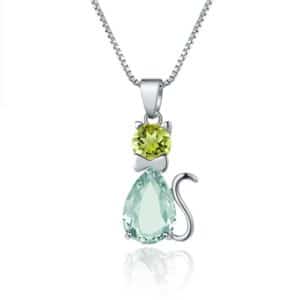
Learn how modern ecommerce site development can transform your online jewelry store. Discover key strategies for performance, mobile optimization, and checkout improvements that drive sales and customer loyalty.
Table of Contents
- 1. Performance-First Architecture for Ecommerce Sites
- 2. Mobile Commerce and Responsive Design
- 3. Checkout Optimization and Payment Flexibility
- 4. Personalization and AI Integration
- Frequently Asked Questions
- Comparison: Development Approaches
- Practical Tips for Jewelry Store Owners
- Final Thoughts on Ecommerce Site Development
- Further Reading
Ecommerce site development is the process of building, optimizing, and maintaining an online store to maximize performance, conversions, and customer satisfaction. For jewelry stores, this means prioritizing speed, mobile design, and seamless checkout to turn visitors into buyers.
Quick Stats: Ecommerce Site Development
- Global retail ecommerce sales are projected to reach $7.9 trillion by 2027, up from $6.3 trillion in 2024 (Statista, 2024)[1]
- Mobile commerce is expected to account for 62% of global online retail sales by 2027 (Statista, 2024)[2]
- In 2025, 83% of U.S. online shoppers reported that website performance and page load speed directly influenced their willingness to complete a purchase (Baymard Institute, 2025)[3]
Ecommerce site development has become the backbone of successful online retail. Whether you run a small jewelry boutique or a growing brand, the way you build and maintain your store determines how customers find you, browse your products, and complete purchases. With global ecommerce sales reaching $284.1 billion in Q1 2026 in the U.S. alone (U.S. Census Bureau, 2026)[4], the stakes have never been higher. This article explores four critical areas of ecommerce site development that directly impact your jewelry store’s success.
1. Performance-First Architecture for Ecommerce Sites
Performance is the foundation of any successful ecommerce site development project. A slow-loading store drives customers away before they even see your products. According to Brian Dean, founder of Backlinko, “An eCommerce site that loads in more than three seconds loses nearly half its visitors before they even see a product page, so performance optimization is now as important as product-market fit.”[5] This means every second counts when a potential buyer clicks through to your jewelry collection.
For jewelry stores, high-resolution product images and detailed zoom features are essential, but they can also slow down your site. Optimizing image sizes, using a content delivery network (CDN), and enabling browser caching are non-negotiable steps in ecommerce site development. Google’s John Mueller reinforces this: “For modern ecommerce sites, we expect Core Web Vitals to be part of the baseline UX. If your product listing and checkout pages are fast and stable, every other SEO improvement tends to work better.”[6] Core Web Vitals measure loading speed, interactivity, and visual stability, and they directly affect your search rankings.
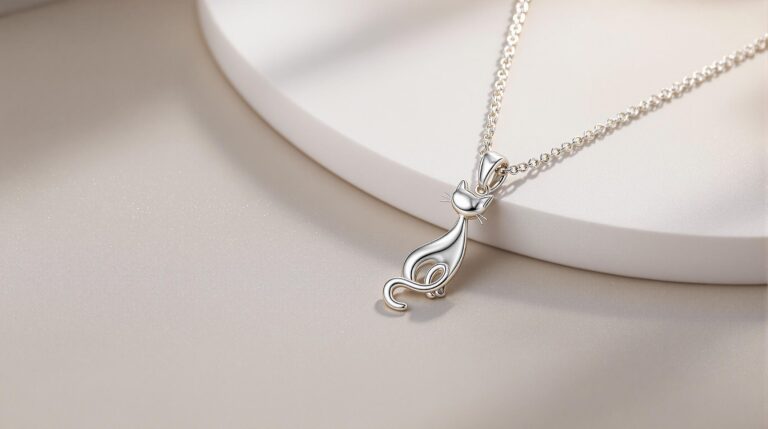
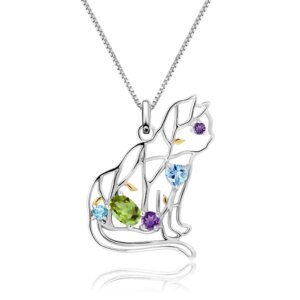
Investing in a performance-first architecture also means choosing the right hosting and platform. A dedicated or cloud-based hosting solution with scalable resources ensures your site handles traffic spikes during holiday seasons or promotional events without crashing. For jewelry stores, where each product page showcases unique items like a necklace with cat pendant or a custom ring, maintaining fast load times across all pages is critical. Regular performance audits using tools like Google PageSpeed Insights or Lighthouse help identify bottlenecks before they impact sales.
2. Mobile Commerce and Responsive Design
Mobile commerce is no longer a secondary channel; it is the primary way many customers shop online. With mobile commerce expected to account for 62% of global online retail sales by 2027 (Statista, 2024)[2], ecommerce site development must prioritize mobile-first design. For jewelry stores, this means creating a seamless browsing experience on smartphones and tablets where customers can zoom into product details, read descriptions, and add items to their cart without friction.
Responsive design ensures your site adapts to any screen size, but true mobile optimization goes beyond that. Touch-friendly navigation, thumb-friendly buttons, and streamlined menus are essential. Social commerce is also gaining momentum, with eMarketer noting that social commerce represented about 7% of total ecommerce sales in 2025, projected to approach 10% by 2029.[7] Integrating social shopping features into your mobile experience allows customers to discover and purchase your jewelry directly from platforms like Instagram or Pinterest.
Livestream shopping is another emerging trend in ecommerce site development. eMarketer reported that the number of U.S. livestream ecommerce buyers increased by more than 21% year over year in 2025.[8] For a jewelry store, hosting live video sessions where you showcase new arrivals or demonstrate how a cat silver pendant pairs with different outfits can drive engagement and sales. Your development strategy should include the ability to embed live streams and enable one-click purchases within the video player.
3. Checkout Optimization and Payment Flexibility
The checkout process is where ecommerce site development directly impacts your bottom line. A complicated or slow checkout can cause customers to abandon their carts, even if they love your products. Baymard Institute’s 2025 large-scale checkout UX research found that an optimized checkout flow can recover up to 35% of otherwise lost orders on ecommerce sites.[9] This statistic alone makes checkout optimization a top priority for jewelry store owners.
A key component of checkout optimization is offering multiple payment options. A 2024 Shopify report found that 69% of global online shoppers expect ecommerce sites to offer multiple payment methods, including digital wallets, buy now pay later, and local payment options.[10] For your jewelry store, this means integrating popular wallets like Apple Pay and Google Pay, as well as services like PayPal, Klarna, or Afterpay. The easier you make it for customers to pay, the more likely they are to complete their purchase.
Simplifying the checkout form itself is equally important. Remove unnecessary fields, offer guest checkout, and use auto-fill features to speed up the process. Progress indicators that show how many steps remain can reduce anxiety. For jewelry stores, consider adding a gift message option or a note field for engraving requests without cluttering the main form. Testing different checkout layouts through A/B testing helps you identify what works best for your audience. Remember, every extra click or field is a potential drop-off point.
4. Personalization and AI Integration
Personalization has moved from a nice-to-have to a must-have in ecommerce site development. Customers expect tailored recommendations, personalized emails, and a shopping experience that feels curated for them. McKinsey found that businesses implementing personalization in ecommerce experiences can see revenue lifts of 10–15%, with top performers achieving up to 25% revenue increases.[11] For a jewelry store, personalization can mean suggesting complementary pieces based on a customer’s browsing history or sending birthday reminders with special offers.
Artificial intelligence (AI) powers many of these personalization features. AI algorithms analyze customer behavior to recommend products, predict trends, and optimize inventory. Noam Levavi, CEO of ByondXR, notes: “Brands that treat ecommerce development as a continuous product – not a one-off project – are the ones that manage to integrate AR, AI, and omnichannel journeys without breaking the customer experience.”[12] Augmented reality (AR) is particularly relevant for jewelry stores, allowing customers to virtually try on rings, necklaces, or earrings from their phone.
Composable commerce is another development approach gaining traction. Patricia Davidson from BigCommerce explains: “Composable commerce has shifted ecommerce site development from building one big store to orchestrating many specialized services. The winners are the teams who design a clean API-first architecture from day one.”[13] This means your development team can integrate best-in-class tools for search, recommendations, and customer service without being locked into a single platform. For your jewelry store, this flexibility allows you to add features like a virtual try-on tool or a personalized gift finder as your business grows.
Important Questions About Ecommerce Site Development
What is the most important factor in ecommerce site development for a jewelry store?
Performance is the most critical factor. If your site loads slowly, customers will leave before seeing your products. For jewelry stores, high-quality images are essential, but they must be optimized to maintain speed. Prioritizing Core Web Vitals and using a CDN can dramatically improve load times and reduce bounce rates.
How do I make my jewelry store mobile-friendly?
Start with a responsive design that adapts to all screen sizes. Then focus on touch-friendly navigation, large buttons, and streamlined menus. Test your checkout process on a smartphone to ensure it’s easy to use. Integrating mobile payment options like Apple Pay and Google Pay also improves the mobile shopping experience.
What payment options should I offer on my ecommerce jewelry site?
Offer a mix of traditional credit cards, digital wallets (Apple Pay, Google Pay, PayPal), and buy now pay later services like Klarna or Afterpay. With 69% of shoppers expecting multiple payment options, covering these bases reduces cart abandonment and increases conversion rates.
How can AI improve my jewelry store’s ecommerce site?
AI powers personalized product recommendations, dynamic pricing, and chatbots that assist customers 24/7. For jewelry stores, AI can suggest complementary pieces, predict trending styles, and even power virtual try-on tools using augmented reality. These features increase average order value and customer satisfaction.
Comparison: Development Approaches for Jewelry Stores
Choosing the right ecommerce site development approach depends on your budget, technical expertise, and growth goals. Here is a comparison of three common approaches for jewelry store owners.
| Approach | Best For | Key Advantage | Consideration |
|---|---|---|---|
| SaaS Platform (e.g., Shopify, BigCommerce) | Small to medium jewelry stores with limited technical resources | Quick setup, built-in features, managed hosting | Less customization; transaction fees may apply |
| Open-Source (e.g., WooCommerce, Magento) | Stores needing full control and unique features | Complete customization, no platform lock-in | Requires technical expertise; ongoing maintenance costs |
| Composable Commerce (API-first) | Growing stores wanting flexibility and scalability | Best-of-breed tools, easy to add new features | Higher initial complexity; requires skilled developers |
Practical Tips for Jewelry Store Owners
Implementing a successful ecommerce site development strategy doesn’t have to be overwhelming. Start with these actionable tips to improve your jewelry store’s online presence.
- Optimize product images: Use compressed, high-resolution images with zoom functionality. Consider adding 360-degree views or short videos to showcase details like gemstone cuts or chain textures.
- Streamline navigation: Organize your jewelry collections by category (necklaces, rings, earrings), material (silver, gold), or occasion (birthday, anniversary). Use clear labels and a search bar with autocomplete.
- Implement trust signals: Display customer reviews, secure checkout badges, and a clear return policy. For jewelry stores, highlighting quality guarantees and authenticity certificates builds buyer confidence.
- Test and iterate: Use A/B testing on product pages, checkout flows, and call-to-action buttons. Small changes like button color or placement can significantly impact conversion rates.
For more about Ecommerce site development, see read the full guide on ecommerce site development.
Final Thoughts on Ecommerce Site Development
Ecommerce site development is an ongoing process that directly affects your jewelry store’s ability to attract, engage, and convert customers. By focusing on performance, mobile optimization, checkout improvements, and personalization, you create a shopping experience that keeps customers coming back. The data is clear: fast, mobile-friendly, and personalized stores win. Start by auditing your current site, prioritize the fixes that will have the biggest impact, and build from there. For more insights on building a successful online jewelry store, explore our detailed guide on jewelry ecommerce strategies.
Further Reading
- Statista. Global retail e-commerce sales 2024-2027.
https://www.statista.com/statistics/379046/worldwide-retail-e-commerce-sales/ - Statista. Mobile retail commerce share of e-commerce sales 2024-2027.
https://www.statista.com/statistics/806336/mobile-retail-commerce-share-of-e-commerce-sales-worldwide/ - Baymard Institute. Page load speed and ecommerce performance 2025.
https://baymard.com/blog/page-load-speed-ecommerce - U.S. Census Bureau. Quarterly retail e-commerce sales Q1 2026.
https://www.census.gov/retail/mrts/www/data/pdf/ec_current.pdf - Search Engine Land. Top ecommerce trends for 2026: AI agents, TikTok Shop & livestream selling.
https://searchengineland.com/guide/top-ecommerce-trends-2026 - CommerceV3. 2026 eCommerce development: Trends & platform features.
https://commercev3.com/resources/blog/2026-ecommerce-development-trends-platform-features - eMarketer. Global social commerce forecast 2025-2029.
https://www.emarketer.com/content/global-social-commerce-forecast-2025-2029 - eMarketer. US livestream commerce 2025.
https://www.emarketer.com/content/us-livestream-commerce-2025 - Baymard Institute. Checkout usability research 2025.
https://baymard.com/research/checkout-usability - Shopify. Future of commerce research 2024.
https://www.shopify.com/research/future-of-commerce - McKinsey & Company. The value of getting personalization right 2024.
https://www.mckinsey.com/capabilities/growth-marketing-and-sales/our-insights/the-value-of-getting-personalization-right-or-wrong-is-multiplying - Digiteon. Top ecommerce development trends to watch in 2026.
https://digiteon.com/ecommerce-development-trends-2026/ - Papathemes. 7 ecommerce design trends dominating 2026.
https://papathemes.com/blog/ecommerce-design-trends-2026-bigcommerce-store/