

Search Optimization Services for Ecommerce Jewelry Stores in 2026
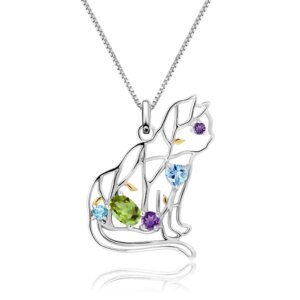

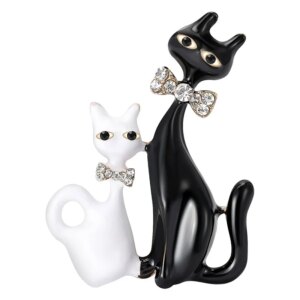



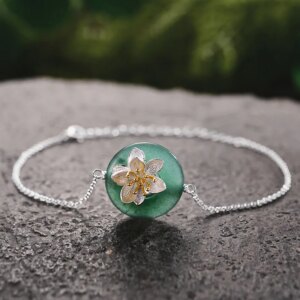

Search optimization services help ecommerce jewelry stores adapt to AI-driven search, voice queries, and visual discovery. This article explains how independent jewelers can refine their SEO strategy to compete effectively in 2026, covering technical foundations, content depth, and emerging search trends.
Table of Contents
- What Are Search Optimization Services?
- The AI Search Landscape
- Content Strategy for Jewelry
- Technical SEO and User Experience
- Frequently Asked Questions
- Comparison: Traditional SEO vs. AI-Optimized Search
- Practical Tips for Jewelry Store Owners
Key Takeaway: Search optimization services now encompass AI search, visual search, and voice queries alongside traditional SEO. For ecommerce jewelry stores, this means investing in structured data, authoritative content, and cross-channel visibility to capture shoppers wherever they discover products.
Quick Stats: Search Optimization Services
- 4.5-12.5% of search queries now trigger AI-generated summaries (Evergreen Media, 2026)[1]
- Average click-through rate on position 1 is 34.5% lower when an AI Overview is displayed (Evergreen Media citing Ahrefs, 2026)[1]
- Google rolled out AI Overviews in 5 European countries: Germany, Switzerland, Austria, Italy, and Spain (Google Search blog, 2025)[2]
Search optimization services have evolved beyond simple keyword stuffing and backlink building. Today, they require a holistic approach that accounts for AI-powered search engines, voice assistants, visual discovery platforms, and traditional web search. For ecommerce jewelry stores, this shift is particularly significant because customers often search for rings, necklaces, and earrings using descriptive phrases, images, and even voice commands.
Independent jewelers who invest in modern search optimization can attract more qualified traffic, reduce reliance on paid ads, and build long-term brand authority. This article explores the key components of an effective search optimization strategy for jewelry ecommerce in 2026, from technical foundations to content creation and performance measurement.
What Are Search Optimization Services?
Search optimization services refer to the set of strategies and tactics used to improve a website’s visibility in search engine results pages (SERPs) and other discovery surfaces. For ecommerce jewelry stores, this includes optimizing product pages for specific gemstone and metal queries, building category pages that answer common buyer questions, and ensuring the site loads quickly on mobile devices.
According to the Search Engine Land editorial team, “Search optimization now spans SEO, AI search, PPC, and content strategy because users discover brands across multiple search surfaces” (Search Engine Land, 2026)[3]. This means a jewelry store owner must think beyond Google and consider how their products appear in visual search on Pinterest, voice search on Alexa, and AI-generated summaries on Bing or Perplexity.
A comprehensive search optimization service typically includes:
- Technical SEO: Site speed, mobile responsiveness, structured data markup, and crawlability.
- On-page optimization: Keyword research, title tags, meta descriptions, and header structure for product and category pages.
- Content strategy: Blog posts, buying guides, and FAQ sections that answer real customer queries.
- Authority building: Earning backlinks from reputable jewelry industry publications and directories.
For a jewelry store, the 925 silver chain price page is a prime candidate for optimization because it targets a specific product with clear commercial intent.
The AI Search Landscape
AI-powered search engines are changing how users discover products. Instead of scanning a list of blue links, many users now receive a synthesized answer directly in the SERP. Lily Ray, VP of SEO Strategy & Research at Amsive, notes that “SEO in 2026 is no longer just about ranking blue links; it is increasingly about earning citations and visibility across AI-powered answer engines” (Evergreen Media, 2026)[1].
For jewelry stores, this means creating content that AI engines can cite. A well-written guide on “How to Choose a Diamond Engagement Ring” that includes expert advice, clear sections, and authoritative sources is more likely to appear in an AI-generated summary than a thin product page. The Squarespace editorial team advises businesses to “create clickworthy content by covering topics that require depth and expertise, because not every question can be fully summarized by AI” (Squarespace, 2026)[4].
Additionally, visual search is becoming more important. Platforms like Google Lens and Pinterest Lens allow users to snap a photo of a piece of jewelry and find similar items online. Optimizing product images with descriptive alt text, high-resolution files, and structured data for products can help a jewelry store appear in these visual search results.
The Toptal marketing editorial team emphasizes that “AI-powered, multimodal, and highly personalized search is the future, and marketers need to optimize for voice, text, and visual search” (Toptal, 2026)[5]. For a jewelry store, this might mean including voice-friendly natural language on product pages, such as “sterling silver hoop earrings for sensitive ears” instead of just “silver earrings.”
One effective way to improve visibility in AI search is to implement structured data markup. By adding schema for products, reviews, and FAQs, a jewelry store helps search engines understand the content and potentially feature it in rich results or AI summaries.
Content Strategy for Jewelry
Content is the backbone of any search optimization service. For ecommerce jewelry stores, content must go beyond product descriptions to include educational resources that build trust and authority. A shopper looking for a birthday gift for their mother may not know the difference between 10k and 14k gold, but a well-written guide can answer that question and lead them to a purchase.
Danny Sullivan, Google Search Liaison, stated that “Google’s AI Overviews are designed to help people get quick answers, while still helping them discover useful links from across the web” (Google Search blog, 2025)[2]. This means that content optimized for AI Overviews should provide concise, accurate answers to common questions while linking to deeper resources.
A jewelry store’s content strategy should include:
- Buying guides: Topics like “How to Determine Your Ring Size” or “What Is the Difference Between White Gold and Platinum?” attract informational search traffic.
- Product category pages: Optimize for terms like “sterling silver rings” or “gold necklaces for women” with unique, descriptive copy.
- FAQ sections: Answer questions such as “Can I wear sterling silver in the shower?” or “How do I clean my diamond ring?”
- User-generated content: Encourage customer reviews and photos, which add fresh content and social proof.
For example, a page dedicated to silver rings sterling can include a short FAQ, care instructions, and styling tips to make it more valuable than a simple product list.
Danny Sullivan also emphasized that Google’s AI Overviews are designed to help users discover useful links. By creating content that is genuinely helpful and well-structured, a jewelry store increases its chances of being cited in AI summaries, driving referral traffic to the site.
Technical SEO and User Experience
Technical SEO ensures that search engines can crawl, index, and understand a jewelry store’s website. Without a solid technical foundation, even the best content may never appear in search results. Key technical elements include site speed, mobile optimization, secure HTTPS connection, and a clear site architecture.
For ecommerce sites with hundreds or thousands of product pages, technical SEO also involves managing duplicate content, optimizing pagination, and creating an XML sitemap. A jewelry store that sells similar rings in different sizes should use canonical tags to avoid duplicate content penalties and ensure the correct page ranks.
User experience (UX) is closely tied to search optimization. Google’s Core Web Vitals measure aspects like loading speed, interactivity, and visual stability. A jewelry site with high-quality images but slow load times may frustrate users and lose rankings. Compressing images, using lazy loading, and choosing a fast hosting provider are essential steps.
Mobile optimization is particularly critical for jewelry stores because many shoppers browse on their phones. A responsive design that adapts to different screen sizes, large touch-friendly buttons, and a streamlined checkout process can significantly improve conversion rates. Additionally, implementing breadcrumb navigation helps users and search engines understand the site’s hierarchy.
Structured data markup is another technical element that directly impacts search visibility. By adding product schema, a jewelry store can enable rich snippets that display price, availability, and reviews directly in the SERP. This can increase click-through rates even when an AI Overview is present.
Finally, security is a ranking factor. An HTTPS site with an SSL certificate protects customer data and builds trust. For a jewelry store handling payment information, this is non-negotiable.
Frequently Asked Questions
What do search optimization services include for a jewelry store?
Search optimization services for a jewelry store typically include technical SEO (site speed, mobile optimization, structured data), on-page optimization (keyword research, title tags, meta descriptions for product and category pages), content strategy (buying guides, FAQ sections, blog posts), and authority building (earning backlinks from jewelry industry publications). These services aim to improve visibility in traditional search, AI-generated summaries, and visual search platforms.
How does AI search affect jewelry ecommerce SEO?
AI search engines often generate synthesized answers directly in the SERP, which can reduce click-through rates on traditional organic listings. For jewelry ecommerce, this means creating authoritative, well-structured content that AI engines can cite. Buying guides, product care instructions, and detailed FAQ sections are more likely to appear in AI summaries. Additionally, optimizing for visual search with high-quality images and descriptive alt text helps capture traffic from platforms like Google Lens.
What is the most important SEO factor for a jewelry website?
While many factors contribute to SEO success, content quality and relevance are often the most important for jewelry websites. Unique, informative product descriptions, buying guides that answer customer questions, and user-generated reviews all help a site rank higher. Technical factors like site speed and mobile optimization are also critical because they directly affect user experience. A balanced approach that prioritizes both content and technical health yields the best results.
How can a small jewelry store compete with larger brands in search?
Small jewelry stores can compete by focusing on niche keywords and building a strong local presence. For example, targeting phrases like “handmade sterling silver earrings in Austin” or “custom engagement rings in Portland” can attract highly relevant traffic. Creating in-depth content that larger brands overlook, such as detailed care guides or style advice for specific jewelry types, also helps. Building relationships with local bloggers and jewelry enthusiasts can earn valuable backlinks and social proof.
Comparison: Traditional SEO vs. AI-Optimized Search
Understanding the differences between traditional SEO and modern AI-optimized search can help jewelry store owners allocate their resources effectively. The table below outlines the key contrasts.
| Aspect | Traditional SEO | AI-Optimized Search |
|---|---|---|
| Primary goal | Rank #1 in organic listings | Earn citations in AI summaries and multiple surfaces |
| Content focus | Keyword-optimized product pages | Authoritative, structured guides and FAQs |
| Key metrics | Organic traffic, CTR, backlinks | AI visibility, brand mentions, voice search queries |
| Technical emphasis | Crawlability, meta tags, sitemaps | Structured data, Core Web Vitals, mobile UX |
Both approaches are complementary. A jewelry store should not abandon traditional SEO but should expand its strategy to include AI-optimized content and technical enhancements.
Practical Tips for Jewelry Store Owners
Implementing search optimization services does not require a massive budget. Small, consistent efforts can yield significant results over time. Here are actionable tips for jewelry store owners:
- Optimize product images: Use descriptive file names like “14k-gold-hoop-earrings.jpg” instead of “IMG_1234.jpg.” Add alt text that describes the product and includes relevant keywords.
- Create a FAQ section: Answer common customer questions about jewelry care, sizing, and materials. This content is ideal for AI summaries and voice search.
- Build local citations: List your jewelry store on Google Business Profile, Yelp, and local directories. Consistent name, address, and phone number (NAP) information helps with local SEO.
- Encourage customer reviews: Positive reviews not only build trust but also provide fresh, unique content that search engines value. Respond to reviews to show engagement.
- Monitor your analytics: Use tools like Google Search Console to track which queries drive traffic to your site. Identify opportunities to create content around those topics.
For a deeper dive into how to structure your product pages for maximum visibility, consider reading our guide on 925 silver chain price optimization, which covers practical techniques for pricing pages in the jewelry niche.
For more about Search optimization services, see read the full guide on search optimization services.
Key Takeaways
Search optimization services for ecommerce jewelry stores in 2026 must address AI search, visual discovery, and voice queries alongside traditional SEO. By investing in authoritative content, technical fundamentals, and cross-channel visibility, independent jewelers can attract more qualified shoppers and compete effectively. Start by auditing your current site for technical health, then build a content strategy that answers real customer questions. To learn more about optimizing your jewelry store for modern search, explore our silver rings sterling category page for practical examples of on-page optimization.
Useful Resources
- SEO Trends 2026: Developing Strategies for the AI Era. Evergreen Media.
https://www.evergreen.media/en/guide/seo-this-year/ - AI Overviews expansion in Europe. Google Search blog.
https://blog.google/products/search/ai-overviews-europe/ - Search Engine Land.
https://searchengineland.com - 7 SEO and AI Search Trends to Watch in 2026 and Beyond. Squarespace.
https://www.squarespace.com/blog/seo-trends - 5 Trends Shaping the Future of Search Marketing. Toptal.
https://www.toptal.com/marketing/seo/future-of-search


