






Discover essential fresh water otter facts, including their habitat preferences, physical characteristics, and behaviors. Learn about the North American river otter, its diet, social structure, and the conservation efforts that help protect these playful aquatic mammals across the United States.
Table of Contents
- 1. Habitat and Distribution
- 2. Physical Characteristics and Adaptations
- 3. Behavior and Diet
- 4. Conservation Status and Threats
- Frequently Asked Questions
- River Otter vs. Sea Otter: A Comparison
- Practical Tips for Observing Otters
- Final Thoughts on Fresh Water Otter
Quick Summary: A fresh water otter, specifically the North American river otter, is a semi-aquatic mammal known for its playful behavior and sleek, streamlined body. These otters inhabit rivers, lakes, and swamps across North America, exhibiting remarkable diving abilities and a diet primarily consisting of fish. This article covers their habitat, physical traits, behavior, and conservation status.
By the Numbers
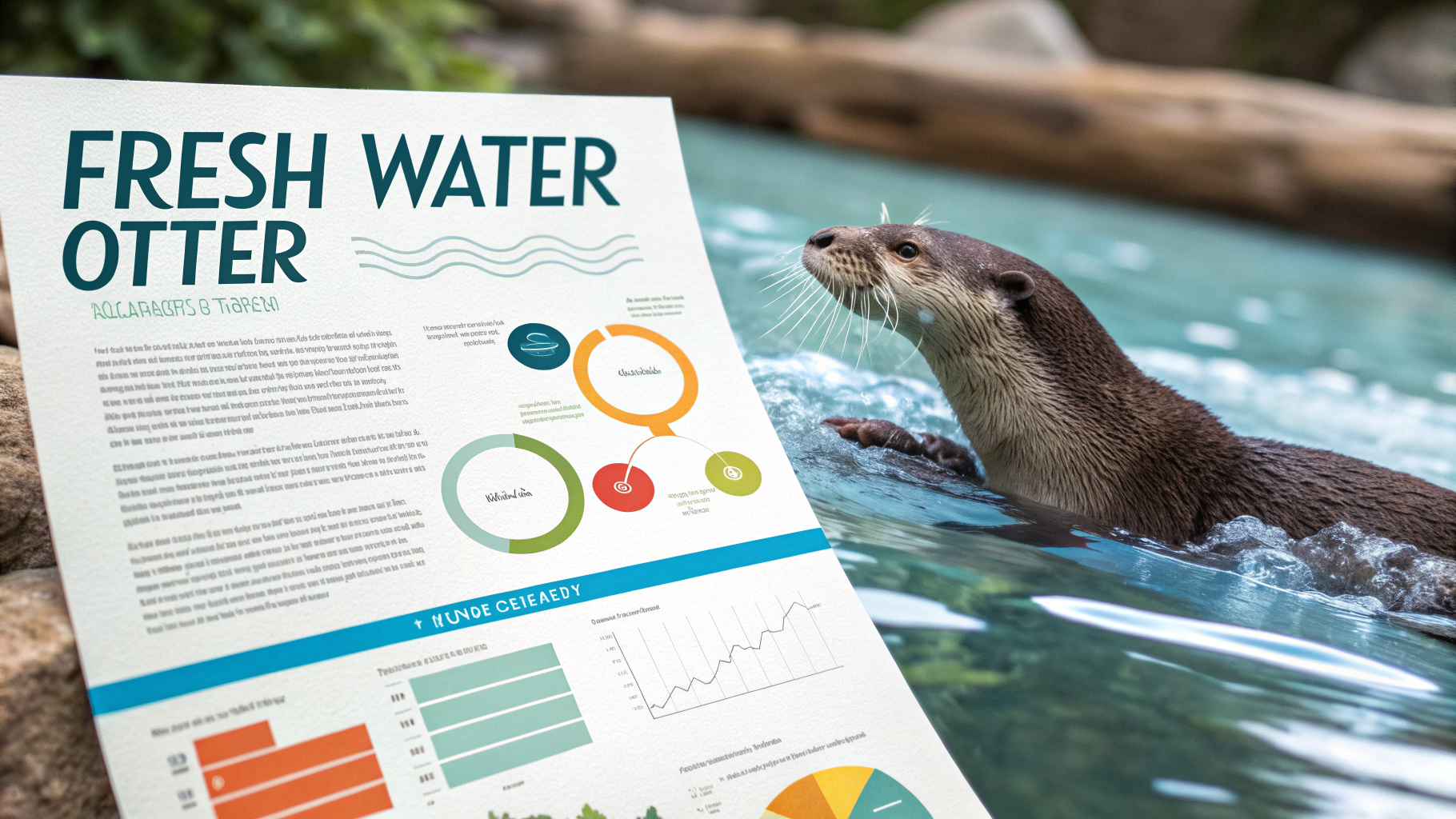
- North American river otters can dive to depths of 60 feet (Alaska Department of Fish and Game, 2024)[1].
- They can remain submerged for more than 4 minutes (Alaska Department of Fish and Game, 2024)[1].
- Adult river otters typically weigh between 11 and 30 pounds and measure 35 to 50 inches in length (MassWildlife, 2024)[2].
- The United States is home to two otter species: the sea otter and the North American river otter (U.S. Department of the Interior, 2024)[3].
1. Habitat and Distribution
The fresh water otter, scientifically known as Lontra canadensis, is widely distributed across North America. These adaptable mammals thrive in a variety of aquatic environments. According to the Florida Fish and Wildlife Conservation Commission, river otters usually prefer fresh water and can be found in rivers, creeks, lakes, ponds, and swamps (2024)[4]. This preference for freshwater ecosystems makes them a common sight in many inland waterways, from the dense forests of Canada to the swamps of the southeastern United States.
Their range extends from the Rio Grande in the south to the northern reaches of Alaska and Canada. They are notably absent from the arid deserts of the Southwest and parts of the Great Plains where water is scarce. The availability of clean, fish-rich water is the primary factor determining their presence. River otters are excellent indicators of water quality; their presence often signals a healthy, unpolluted aquatic ecosystem.
These otters establish home ranges that can span several miles of waterways. They use dens along the banks, often repurposing abandoned beaver lodges, muskrat burrows, or natural hollows in tree roots. These dens provide safe resting spots and nurseries for raising young. The fresh water otter’s reliance on expansive, clean habitats underscores the importance of wetland conservation efforts across the continent.
2. Physical Characteristics and Adaptations
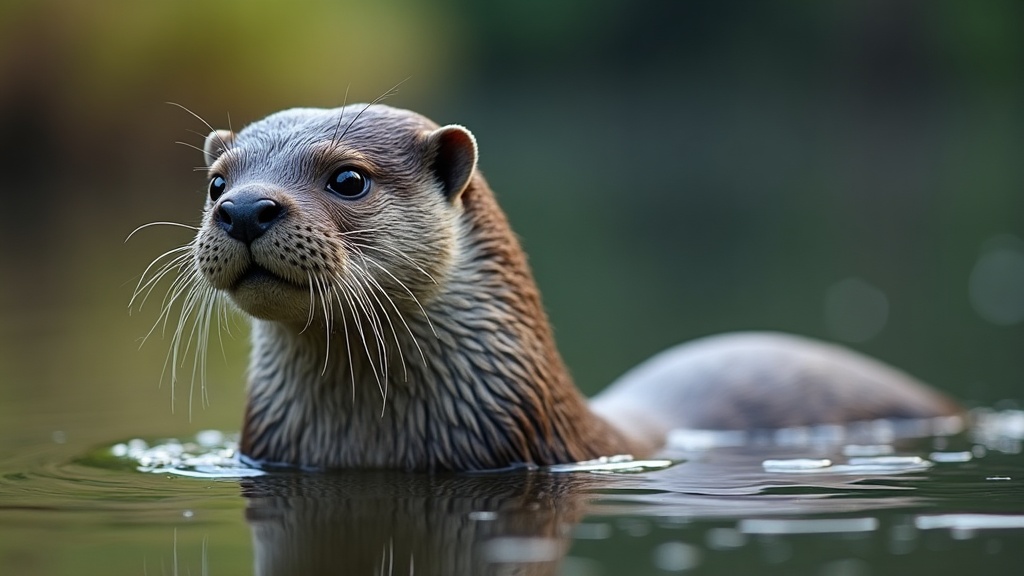
The fresh water otter is a marvel of evolutionary adaptation for an aquatic lifestyle. MassWildlife notes that they weigh 11–30 pounds and are 35–50 inches in length (2024)[2]. Their bodies are long, slender, and streamlined, perfectly designed for efficient swimming. A thick, powerful tail makes up about a third of their total length and acts as a rudder in the water.
Their fur is dense and water-repellent, consisting of a short, fine undercoat for insulation and longer guard hairs that keep water away from the skin. This adaptation is crucial for maintaining body temperature in cold waters. They have short, sturdy legs with fully webbed feet, which propel them through the water with remarkable agility. On land, they are surprisingly swift, capable of running at speeds up to 15 miles per hour for short distances.
The U.S. is home to two species: the sea otter and the North American river otter (U.S. Department of the Interior, 2024)[3]. A key difference is that river otters have a more streamlined body and a longer tail compared to their sea-dwelling cousins. Their small ears and nostrils close tightly when submerged, and their sensitive whiskers, or vibrissae, help them detect prey in murky water. These physical traits make the fresh water otter a highly specialized and successful predator in its environment.
3. Behavior and Diet
The behavior of a fresh water otter is a captivating blend of playfulness and predatory skill. River otters dive to depths of at least 60 feet (18 m) and can stay submerged for more than four minutes (Alaska Department of Fish and Game, 2024)[1]. This remarkable ability allows them to hunt effectively for fish, their primary food source. They also consume amphibians, crayfish, turtles, and occasionally small birds or mammals.
Play is a significant part of an otter’s life, especially for juveniles. They can often be seen sliding down muddy or snowy banks into the water, chasing each other, and wrestling. This play behavior helps develop hunting skills and strengthens social bonds. River otters are generally social animals, often living in family groups consisting of a mother and her offspring, though adult males may be solitary or form small bachelor groups.
They are primarily crepuscular or nocturnal, being most active during dawn and dusk. Communication among otters includes a variety of sounds, such as whistles, chirps, and growls, as well as scent marking. Their intelligence and curiosity are well-documented. For those interested in learning more about related topics, a comprehensive freshwater pearl guide offers insights into another natural treasure found in similar aquatic environments.
4. Conservation Status and Threats
The conservation story of the fresh water otter is one of significant recovery. By the mid-20th century, populations had declined drastically due to unregulated trapping for their luxurious fur, habitat loss, and water pollution. However, thanks to stricter trapping regulations, habitat restoration projects, and successful reintroduction programs, river otters have made a remarkable comeback across much of their former range.
Today, the North American river otter is classified as a species of Least Concern by the International Union for Conservation of Nature (IUCN). This status reflects their stable and, in many areas, expanding populations. Despite this overall success, local threats persist. Water pollution, particularly from agricultural runoff and industrial chemicals, can contaminate their food supply and degrade their habitat. Habitat fragmentation due to dam construction and urban development also poses challenges.
Conservation efforts continue to focus on maintaining water quality, protecting riparian buffers, and ensuring safe passage for otters across roads and other barriers. Public education about the ecological role of otters has also helped reduce negative interactions. The resilience of the fresh water otter serves as a powerful example of how targeted conservation measures can help reverse the decline of a species. A detailed freshwater pearl chain article explores the beauty of natural creations from similar freshwater habitats.
Frequently Asked Questions
What is the difference between a river otter and a sea otter?
The U.S. is home to two species: the sea otter and the North American river otter (U.S. Department of the Interior, 2024)[3]. River otters, or fresh water otters, are smaller, more streamlined, and have longer tails. They are semi-aquatic, spending time both in fresh water and on land. Sea otters are larger, spend their entire lives in the ocean, and have a different social structure, often floating together in groups called rafts.
What do fresh water otters eat?
The diet of a fresh water otter is primarily piscivorous, meaning they mainly eat fish. They are opportunistic predators and will also consume crayfish, crabs, frogs, turtles, and occasionally small mammals or birds. Their excellent diving ability, reaching depths of 60 feet (Alaska Department of Fish and Game, 2024)[1], allows them to hunt effectively in a variety of aquatic environments.
Are river otters dangerous to humans?
River otters are generally not dangerous to humans and are known for their playful, curious nature. They are wild animals and will typically avoid human contact. However, like any wild animal, they may defend themselves if cornered or threatened. It is always best to observe them from a respectful distance and never attempt to feed or handle them.
How long can a fresh water otter stay underwater?
A fresh water otter is an expert diver and can stay submerged for more than four minutes (Alaska Department of Fish and Game, 2024)[1]. This remarkable breath-holding ability, combined with their ability to dive to depths of 60 feet, makes them highly efficient underwater hunters. Their bodies are adapted to slow their heart rate and conserve oxygen while diving.
River Otter vs. Sea Otter: A Comparison
While both are members of the weasel family, the fresh water otter and its marine cousin have distinct differences. Understanding these contrasts helps clarify their unique ecological roles. The table below highlights key distinctions between the North American river otter and the sea otter.
| Feature | North American River Otter | Sea Otter |
|---|---|---|
| Primary Habitat | Freshwater rivers, lakes, swamps | Coastal marine environments |
| Typical Weight | 11–30 pounds | 30–100 pounds |
| Tail | Long, thick, and muscular | Short, flat, and less muscular |
| Social Structure | Family groups or solitary | Often found in large rafts |
| Diving Depth | Up to 60 feet | Up to 330 feet |
Practical Tips for Observing Otters
Observing a fresh water otter in the wild can be a rewarding experience. Here are some practical tips and best practices for ethical wildlife viewing.
- Visit Early or Late: Otters are most active during dawn and dusk. Plan your trips to rivers, lakes, or swamps during these hours for the best chance of a sighting.
- Look for Signs: Search for otter tracks in mud or snow, which show five toes and webbing. Slick, muddy slides on riverbanks are another clear sign of recent otter activity.
- Stay Quiet and Still: Otters have keen senses of smell and hearing. Move slowly, avoid sudden movements, and keep your voice low to avoid startling them.
- Use Binoculars: Maintain a respectful distance of at least 100 feet. Binoculars or a camera with a zoom lens allow you to observe their natural behavior without causing stress.
- Never Feed Otters: Feeding wild animals makes them dependent on humans and can lead to dangerous habituation. Enjoy watching them hunt and play on their own terms.
For more about Fresh water otter, see discover fresh water otter insights.
The Bottom Line
The fresh water otter is a resilient and charismatic species that plays a vital role in the health of aquatic ecosystems. From their impressive diving skills to their playful social behaviors, these mammals continue to captivate wildlife enthusiasts. Their successful recovery from near-extirpation in many areas stands as a testament to the power of conservation. To continue exploring the wonders of nature and the beautiful creations found in freshwater habitats, we invite you to read our comprehensive freshwater pearl guide.
Sources & Citations
- River Otter Species Profile. Alaska Department of Fish and Game.
https://www.adfg.alaska.gov/index.cfm?adfg=riverotter.printerfriendly - Learn about river otters. MassWildlife.
https://www.mass.gov/info-details/learn-about-river-otters - 12 Facts About Otters for Sea Otter Awareness Week. U.S. Department of the Interior.
https://www.doi.gov/blog/12-facts-about-otters-sea-otter-awareness-week - River Otter – Aquatic Mammals. Florida Fish and Wildlife Conservation Commission.
https://myfwc.com/wildlifehabitats/profiles/mammals/aquatic/river-otter/ - North American River Otter. National Wildlife Federation.
https://www.nwf.org/Educational-Resources/Wildlife-Guide/Mammals/North-American-River-Otter